
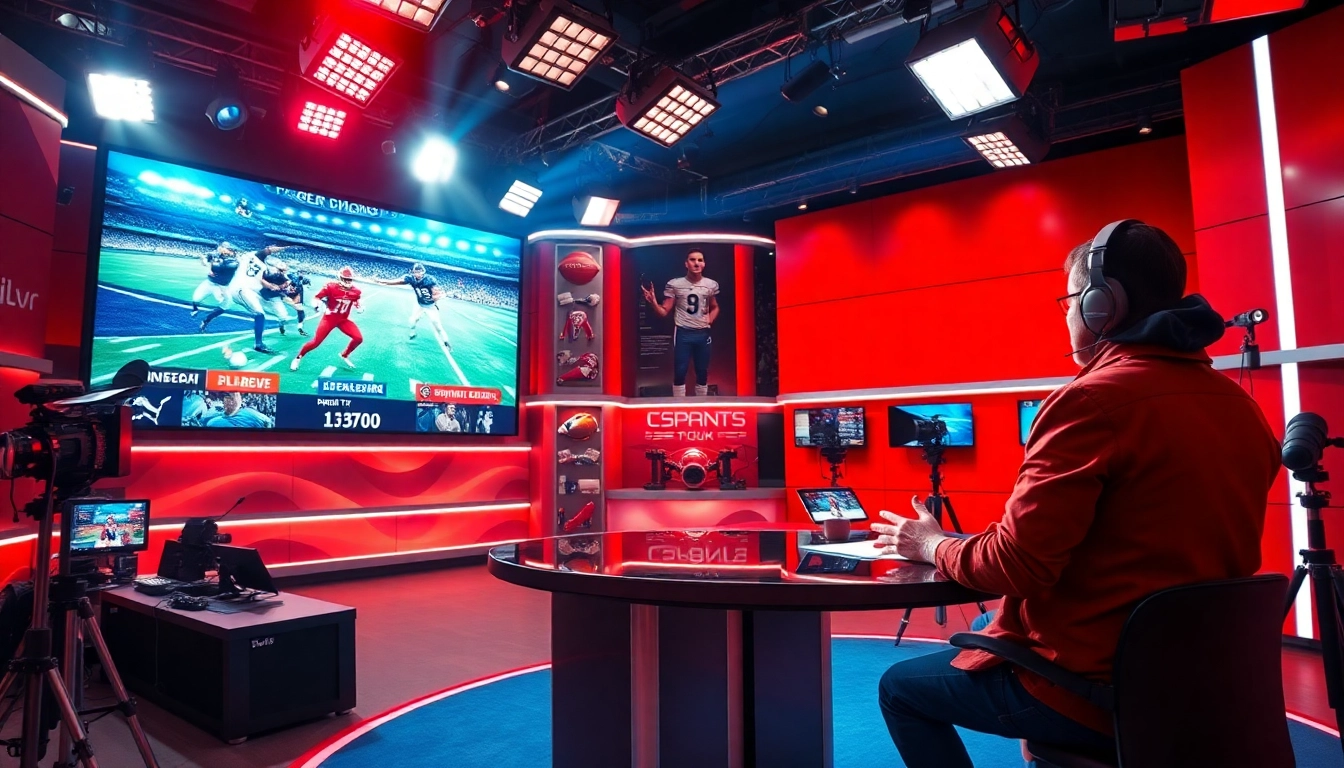
Understanding Sports Broadcasting
Defining Sports Broadcasting
Sports broadcasting encompasses the systematic dissemination of live or recorded sports events through various mediums, including television, radio, and online platforms. It serves as a pivotal link between sports organizations and fans, providing access to the thrill of competition and the emotional stories behind the athletes. By making sports accessible to a global audience, Sports Broadcasting plays a crucial role in building a shared experience among fans, fostering community, and enhancing the overall appeal of various sporting events.
The Role of Technology in Sports Broadcasting
Technology has revolutionized the landscape of sports broadcasting, enabling broadcasters to deliver content in ways never before imagined. High-definition video, multiple camera angles, and enhanced audio quality play crucial roles in providing viewers with an immersive experience. Furthermore, advanced analytics and real-time statistics offer fans deeper insights into the games they love, enhancing their understanding and appreciation. Innovations like 360-degree cameras and virtual reality are setting new standards, offering viewers an engaging way to experience sporting events as if they were on the field themselves.
Importance of Audience Engagement
Effective audience engagement in sports broadcasting goes beyond just airing events; it involves creating a dialogue with viewers. Engaging audiences can take several forms, including interactive polls, social media integration, and enriching narratives that connect fans with their favorite sports and teams. Broadcasters who prioritize audience engagement cultivate loyalty, transforming casual viewers into dedicated fans. This deep connection not only boosts viewership but also translates to higher ratings and more lucrative advertising opportunities.
Key Elements of Sports Broadcasting
Broadcast Quality and Viewer Experience
The quality of a sports broadcast directly influences viewer experience. Factors such as audio clarity, video resolution, and seamless transitions between segments play significant roles in how an audience perceives a broadcast. Broadcasters must invest in high-quality production equipment and skilled personnel to ensure that they meet today’s high expectations. A poor viewing experience can result in audience disengagement, highlighting the need for quality control in every aspect of production—from camera work to commentary.
Content Creation Strategies
Creating compelling content in sports broadcasting requires a deep understanding of the target audience and the types of narratives that resonate with them. Storytelling is a powerful tool in sports—whether highlighting an athlete’s journey, the history of a rivalry, or behind-the-scenes insights. Incorporating expert commentary and analyses enhances the viewer's experience, providing context to the action on the field or court. This not only enriches the broadcast but also fosters a community around shared interests and stories.
Utilizing Live Coverage Effectively
Live coverage presents unique opportunities and challenges. It requires real-time decision-making, adaptability, and sharp focus to capture the unfolding drama of the moment. Successful broadcasters use live coverage not only to report but to build excitement through timely graphics, engaging interviews, and real-time commentary. Effective use of social media platforms during live events can enhance audience interaction, driving engagement and fostering a sense of immediacy that enhances the viewing experience.
Best Practices for Sports Broadcasting
Engaging Social Media Strategies
In the digital age, integrating social media into sports broadcasting is no longer optional. Broadcasters should leverage platforms like Twitter, Facebook, and Instagram to engage fans before, during, and after events. Live-streaming pre-game analyses, conducting Q&A sessions, or hosting post-event discussions can significantly boost viewer interaction. Encouraging fans to share their thoughts and experiences fosters a sense of community and keeps audiences returning for more.
Incorporating Interactive Features
Interactive features enhance the broadcasting experience by allowing viewers to personalize their engagement. Elements such as interactive graphics, viewer polls, and fantasy sports integrations provide fans with ways to contribute to the event actively. These features not only draw in more viewers but also retain their attention, as they feel a sense of ownership over the content they consume.
Developing Unique Content Concepts
Creating unique content sets broadcasters apart in a competitive landscape. Collaborations with athletes, exclusive interviews, and unique story arcs can captivate audiences. Special segments that explore lesser-known aspects of sports, such as training regimens or athlete hobbies, can humanize sports figures, making them more relatable to fans. Additionally, themed broadcasts during important sports events, such as anniversaries or special tournaments, can attract viewers and provide them with fresh experiences.
Measuring Success in Sports Broadcasting
Analyzing Audience Metrics
To assess the success of sports broadcasts, organizations must closely evaluate audience metrics. Viewership statistics, demographic data, and engagement rates provide insight into what works and what does not. Tools such as Nielsen ratings and social media analytics allow broadcasters to refine their strategies, ensuring that they meet the evolving needs of their audiences. A data-driven approach allows for continuous improvement and enhanced connections with fans.
Feedback Mechanisms for Improvement
Feedback from viewers is an invaluable asset for broadcasters. Implementing mechanisms such as surveys, viewer comment sections, and engagement metrics enables broadcasters to gauge audience sentiment. Constructive criticism should be viewed as an opportunity for improvement, allowing broadcasters to adapt their approaches and align better with viewer preferences. Taking active steps based on feedback fosters loyalty among viewers who feel valued and heard.
Adapting to Viewer Preferences
Adapting to the changing landscape of viewer preferences is essential for success in sports broadcasting. This involves keeping abreast of trends in content consumption, such as the increasing popularity of streaming platforms and on-demand content. Broadcasters need to be agile, developing programming that reflects the interests of their audience, whether that involves increasing coverage of niche sports or offering personalized content experiences. Flexibility and willingness to pivot based on viewer feedback is crucial in maintaining relevance.
Future Trends in Sports Broadcasting
Emerging Technologies in Broadcasting
Emerging technologies are set to redefine sports broadcasting in the coming years. Virtual reality (VR) and augmented reality (AR) can enhance live experiences, allowing fans to immerse themselves in the action from unique perspectives. Moreover, artificial intelligence (AI) can personalize content delivery, tailoring broadcasts to individual preferences. Investing in these technologies will empower broadcasters to provide unparalleled experiences and maintain a competitive edge in a quickly evolving market.
The Rise of Esports Broadcasting
The growth of esports has revolutionized the sports broadcasting landscape. Traditional broadcasters are beginning to integrate esports coverage into their programming, recognizing the potential audience and revenue streams. Esports broadcasts feature unique commentary styles, interactive viewer experiences, and community engagement tactics that appeal to younger audiences. As this trend continues, broadcasters will seek to learn from esports formats to enrich their traditional sports programming.
Sustainability and Ethical Considerations
As sports broadcasting evolves, sustainability issues and ethical considerations must take center stage. Broadcasters need to evaluate their impact on the environment, seeking eco-friendly practices in production and emissions reduction. Additionally, considerations around equitable representation in sports coverage and responsible storytelling also play increasingly important roles. By aligning their practices with sustainable and ethical principles, broadcasters not only enhance their brand reputation but also contribute positively to the sports industry.
FAQs
What is Sports Broadcasting?
Sports broadcasting refers to the continuous transmission of sports events via television, radio, or online platforms to audiences worldwide.
How can technology enhance Sports Broadcasting?
Technology improves sports broadcasting through high-definition video, real-time statistics, and interactive viewer experiences, elevating engagement.
What are key strategies for engaging audiences?
Strategies include utilizing social media, encouraging viewer interaction, and providing quality content that resonates with sports fans.
How can success in Sports Broadcasting be measured?
Success can be gauged using audience metrics such as viewership numbers, engagement rates, and viewer feedback surveys.
What future trends are expected in Sports Broadcasting?
Future trends include immersive technologies like virtual reality, the growth of esports, and a focus on sustainability within broadcasting practices.